
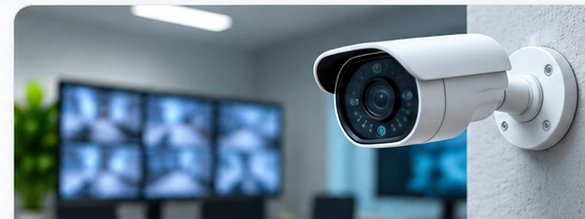
A useful CCTV system is designed around the areas a business needs to monitor and the operational purpose of the recordings. Camera count alone does not determine whether a system will be effective.
Define the areas and purpose
Identify entrances, exits, reception, loading areas, corridors or other locations that need coverage. Consider what each camera must help staff observe.
Choose suitable camera positions
Check lighting, backlight, viewing angles, mounting height and possible obstructions. Avoid aiming cameras into neighbouring private spaces.
Plan recording and retention
Estimate recording resolution, frame rate, motion activity and retention requirements before sizing storage. Keep recording equipment physically secure.
Control access to footage
Use unique administrator credentials, restrict remote viewing and keep devices updated. Decide who may view, export or share recordings.
Consider privacy and local requirements
Use clear notices where appropriate and establish a retention and access policy. Handle recordings responsibly and seek advice on applicable legal obligations.
A well-planned surveillance system balances useful coverage, secure access, adequate storage and responsible handling of recorded footage.
Need help with cctv and surveillance solutions?
Discuss your requirements with VIPRA Technologies and identify a practical next step.
Contact VIPRA Back to TechEdge